
Aviator’s simple format can make it easy to place one more bet before you have considered whether it fits your budget. A round begins, a multiplier rises, and players must cash out before the plane flies away. The pace is quick, but your decisions do not have to be. For Ugandan players, building a deliberate routine around deposits, bet size, breaks, and withdrawals can make the experience more controlled.
This guide focuses on managing the speed of play rather than predicting outcomes. Aviator rounds are uncertain, and no strategy can guarantee a win or reliably forecast when a round will end. The most useful pace-control tips are practical: decide your limits before opening the game, avoid chasing losses, and stop when your planned session is over.
What Aviator’s fast pace means for players
Aviator is a crash-style casino game. A multiplier typically starts at 1x and climbs as the plane moves across the screen. It can disappear at any moment. You win a bet only if you cash out before the crash; your return depends on the multiplier at that point. If you stay in too long, the bet can be lost.
Because rounds often move quickly, players may make repeated decisions in a short period. That can make it harder to keep track of spending or notice when frustration is influencing a choice. Treat each round as a separate wager, not as a step toward a guaranteed outcome. Previous results do not ensure that the next round will be safer or more rewarding.
Set a pace before you place a bet
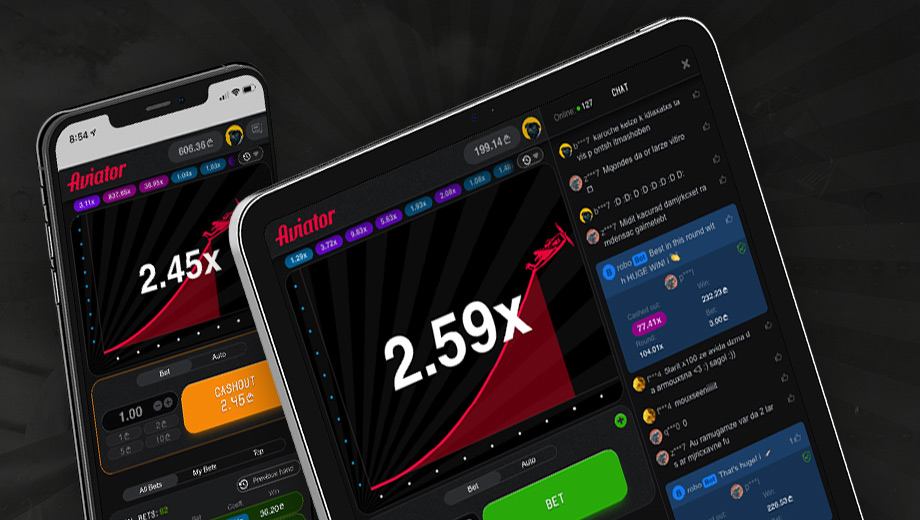
Choose a fixed session length
Decide how long you will play before launching Aviator. For example, you might set a timer for 15 or 20 minutes, then leave the game when it rings, regardless of whether you are ahead or behind. A clear end time helps prevent a short break from turning into an unplanned extended session.
It can also help to choose a maximum number of rounds. This gives you a second boundary if you tend to lose track of time. Do not extend either limit just because the last round was close to a win or because you want to recover a loss.
Keep bet sizes small and consistent
Set a maximum amount you are comfortable losing in the session, using only money left over after essential expenses. Divide that amount into smaller bets rather than staking a large share at once. A consistent stake makes your spending easier to monitor and reduces the temptation to increase a bet after an unlucky result.
Do not borrow money, use funds intended for rent or bills, or treat casino play as a way to earn income. If the money is no longer affordable to lose, stop. In Uganda, use payment methods and casino services only after checking the provider’s terms, availability, and applicable local requirements.
A practical routine for more disciplined play
- Set limits first. Choose your spending cap, session length, and round limit before placing a wager.
- Use one decision at a time. Decide your cash-out approach before a round starts instead of reacting impulsively as the multiplier rises.
- Pause between rounds. Take a short breath or look away from the screen before confirming another bet.
- Track the session. Note your starting balance, wagers, and ending balance. Do not rely on memory when rounds are rapid.
- Stop at your boundary. End the session when you reach your time or loss limit. Do not deposit again to continue.
These steps are not a winning system. They are safeguards to help keep play within limits you chose while calm. If the casino offers responsible-play controls such as deposit limits, session reminders, or time-outs, consider setting them in advance.
Cash-out decisions: keep them simple
In Aviator, a higher cash-out multiplier can produce a larger return on a successful bet, but waiting longer also leaves more time for the round to crash before you exit. There is no universally correct cash-out point. A low target may lead to more frequent smaller returns in some sessions, while a high target can produce fewer successful exits. Neither approach guarantees profit over time.
Choose a rule that you understand and can follow, then avoid changing it because of a recent outcome. For instance, you might decide to cash out at a modest multiplier or use the game’s available automatic cash-out setting if offered. Confirm the settings before wagering. A setting is a convenience, not protection against losses.
Some versions allow two bets in a round, which can tempt players to create a complicated plan. If you use multiple bets, make sure the total stake still fits your session budget. Simplicity is often easier to manage at speed: fewer decisions can mean fewer opportunities to act on impulse.
Common pace-control mistakes
- Chasing losses: increasing stakes or playing longer to win back money can magnify losses.
- Betting faster after a win: a recent result does not make the next round more predictable.
- Confusing near-misses with signals: a multiplier that almost reaches your target does not predict what comes next.
- Playing while distracted or upset: tiredness, stress, alcohol, or arguments can make it harder to follow limits.
- Ignoring the clock: fast rounds can make a session feel shorter than it is.
If you notice that you are hiding play, spending more than planned, or struggling to stop, take a break and seek support from someone you trust. Use available self-exclusion or account-limiting tools where possible. Gambling should remain optional entertainment, and stopping is a valid decision at any point.
Quick session checklist
| Before you play | During the session | When the limit is reached |
|---|---|---|
| Set an affordable budget and a time limit | Keep stakes consistent and pause between rounds | Leave the game without making another deposit |
| Check game and account terms | Track spending instead of relying on memory | Review the session later, when calm |
| Decide how you will cash out | Do not change rules to chase a result | Take a break before deciding whether to play again |
Questions about disciplined Aviator play
Can a betting pace strategy predict the crash?
No. Pace control can help you manage time and spending, but it cannot predict when the plane will disappear. Past multipliers should not be treated as a reliable guide to the next round.
Should I raise my bet after losing?
Raising a stake to recover losses is risky and can quickly exceed your budget. Keep your planned stake or stop; do not treat a loss as a reason to wager more.
What should I do if I forget my casino login?
Use the casino’s official recovery process, such as its verified password-reset or support options. Never share passwords, one-time codes, or payment details with people claiming they can restore access. For account questions, contact the operator through its official website or app. This is separate from a game result: casino account recovery for crash title does not predict or change the outcome of any Aviator round.
Play at a pace you can afford
Disciplined Aviator play is less about finding the perfect multiplier and more about protecting your time, money, and ability to stop. Decide on limits before the first round, keep decisions uncomplicated, and take breaks. No betting pattern removes the game’s uncertainty, and a positive session is never guaranteed. If you cannot comfortably accept the possibility of losing your planned stake, do not place the bet.